
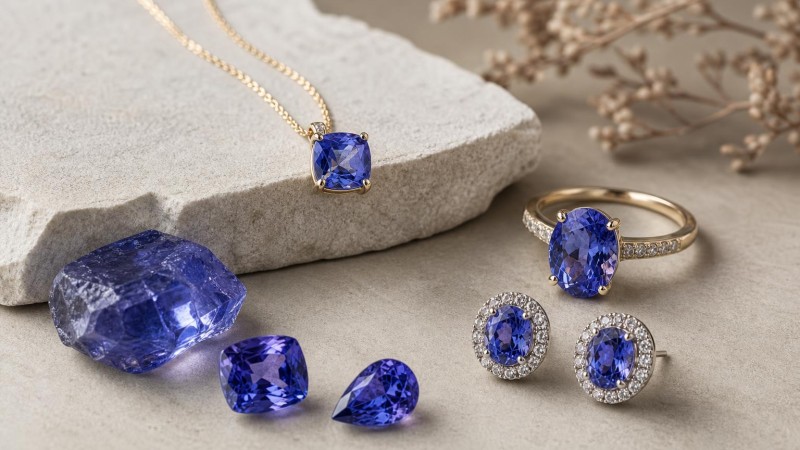
December is one of the few months with multiple birthstones, yet tanzanite stands apart as the most luxurious and intriguing of them all. With its captivating blue-violet colour, rare geographic origin, and unmistakably elegant presence in jewellery, tanzanite has earned a reputation as the premium December birthstone. For gift-givers, collectors, and jewellery makers alike, it offers a combination of beauty, rarity, and meaning that feels truly special.
Whether you are exploring birthstone jewellery for yourself, choosing a meaningful present, or looking for inspiration for handcrafted designs using jump rings, understanding what makes tanzanite exceptional can help you appreciate why this gemstone continues to fascinate the jewellery world.
What Is Tanzanite?
Tanzanite is the blue to violet variety of the mineral zoisite. It was first brought to international attention in the late 1960s and quickly became famous for its striking colour and limited source. Unlike many gemstones found in multiple countries, tanzanite is known almost exclusively from a small area near Mount Kilimanjaro in Tanzania. That singular origin is a major reason it is considered so desirable.
Its colour can range from velvety blue to violet-blue, sometimes showing flashes of burgundy or purple depending on the lighting and viewing angle. This optical effect, known as pleochroism, is one of tanzanite’s most enchanting qualities. In practical terms, it means a single stone can appear slightly different as it moves, giving jewellery an animated, luminous character.
Because of its beauty and rarity, tanzanite became recognised as a modern December birthstone, joining traditional choices like turquoise and zircon. Among these options, however, tanzanite is often seen as the most upscale and contemporary.
Why Tanzanite Feels More Premium Than Other December Birthstones
1. It Has a Rare, Single-Source Origin
Many gemstones are mined in several regions around the world, but tanzanite’s extremely limited origin adds to its mystique. The fact that it comes from one small mining area gives it a sense of exclusivity that few birthstones can match. For buyers who value rarity, this alone makes tanzanite feel more special than more widely available stones.
Single-origin gemstones often carry a strong identity, and tanzanite is a perfect example. Its name itself ties it directly to Tanzania, giving the stone a memorable story that many other gems simply do not have.
2. Its Colour Is Unusually Sophisticated
Tanzanite’s blue-violet palette is elegant, refined, and versatile. It can look cool and icy in some settings or rich and romantic in others. That range makes it appealing to people who want a gemstone with depth rather than a flat or one-note colour.
In comparison to some traditional birthstones, tanzanite often feels more modern and fashion-forward. It pairs beautifully with white metals for a crisp, contemporary look, but it can also create a luxurious contrast in warmer settings. Designers often combine it with diamonds, accent stones, or even complementary materials like freshwater pearls for a softer, more layered aesthetic.
3. It Is Associated With Fine Jewellery
Tanzanite has long been featured in elegant rings, pendants, earrings, and heirloom-style pieces. Its visual richness naturally suits elevated designs, making it a popular choice for special-occasion jewellery. Even in simple settings, tanzanite often looks polished and high-end.
For anyone searching for a December birthstone that feels celebratory and memorable, tanzanite ticks every box. It is distinctive without being flashy and luxurious without losing its natural charm.
The History Behind Tanzanite’s Popularity
Compared with ancient gemstones such as sapphire or turquoise, tanzanite is relatively new to the global jewellery scene. After its discovery in Tanzania, its dramatic colour quickly attracted attention from gem enthusiasts and major jewellery houses. Its rise was swift, helped by the fact that it offered a look unlike any other well-known gem on the market.
That modern origin story is part of its appeal. Tanzanite does not merely carry the romance of geology; it also reflects contemporary taste. It became a birthstone in the late 20th century, which means it feels fresh, current, and relevant to today’s jewellery lovers.
In folklore and modern crystal traditions, tanzanite has often been associated with insight, transformation, and calm communication. These ideas belong to cultural belief and symbolic interpretation rather than science, but they add another layer of meaning for people who enjoy gemstone traditions.
Tanzanite’s Colour: The Feature Everyone Remembers
If there is one reason people fall in love with tanzanite instantly, it is colour. Fine tanzanite often displays a richly saturated blue with violet undertones, though some stones lean more lavender or purple. The best examples show exceptional vibrancy while still appearing graceful and refined.
Lighting matters with tanzanite. Daylight can emphasise its blue tones, while warmer indoor lighting may bring out more violet. This changing personality is not a flaw; it is part of the stone’s charm. If you are choosing tanzanite jewellery, it is worth viewing the stone in different types of light to appreciate its full character.
Jewellery makers also appreciate how tanzanite complements a wide range of materials. It can sit beside sparkling accents, polished metals, and even artisan elements like wire wrappers in custom designs. Because it is visually complex, it often becomes the focal point of a finished piece.
Tanzanite vs. Other December Birthstones
Tanzanite vs. Turquoise
Turquoise is beloved for its earthy beauty, historic significance, and often distinctive matrix patterns. It has a very different personality from tanzanite. While turquoise feels organic, cultural, and grounded, tanzanite feels polished, luminous, and more overtly luxurious. Neither is better in an absolute sense, but tanzanite is usually the choice for someone seeking a premium, fine-jewellery look.
Tanzanite vs. Blue Zircon
Blue zircon offers impressive brilliance and a vivid icy-blue colour. It is an excellent gemstone with strong historical roots. Tanzanite, however, tends to stand out for its velvety depth and violet-blue nuance. Where zircon sparkles brightly, tanzanite glows with a softer, richer intensity. Buyers often choose tanzanite when they want rarity and colour complexity to take centre stage.
Tanzanite vs. Sapphire
Although sapphire is not a December birthstone, it often enters the conversation because of its blue colour. Tanzanite’s premium appeal is different from sapphire’s. Sapphire is classic and highly durable, while tanzanite offers a more unusual shade profile and a sense of exclusivity tied to its limited source. For those who want a gemstone that feels less expected, tanzanite has a powerful draw.
How to Choose Quality Tanzanite
If you are shopping for tanzanite jewellery or selecting loose stones for a design project, a few factors deserve attention. Understanding these basics can help you choose a stone you will enjoy for years.
- Colour: Rich, balanced blue-violet tones are generally the most prized. Stones that look overly pale may have less visual impact.
- Clarity: Good tanzanite is often eye-clean, meaning it appears free of visible inclusions without magnification.
- Cut: A well-cut stone enhances colour and allows the pleochroic effect to shine. Poor cutting can make the gem appear dull or uneven.
- Size and shape: Tanzanite is available in many cuts, from classic oval and cushion shapes to more dramatic pear and trillion forms.
For makers planning custom jewellery, tanzanite can also pair beautifully with cool-toned companions such as amethyst beads in coordinated palettes, especially in designs that highlight purples, blues, and silvery neutrals.
Is Tanzanite Good for Everyday Jewellery?
Tanzanite is gorgeous, but it also benefits from thoughtful wear. It is generally softer than gemstones like sapphire or diamond, which means it may be better suited to jewellery that is treated with reasonable care. Earrings, pendants, and special-occasion rings are especially popular choices because they can showcase the stone while reducing exposure to rough impact.
That does not mean tanzanite should be hidden away. It simply means owners should be mindful. If you love refined gemstone jewellery and are happy to give it proper attention, tanzanite can be a rewarding and enduring choice.
Care Tips for Tanzanite Jewellery
Proper care helps preserve the beauty of tanzanite. Because the stone deserves a gentler approach than some other gems, a few simple habits make a big difference.
- Store tanzanite separately from harder gemstones to help avoid scratches.
- Clean it with mild soap, lukewarm water, and a soft cloth or brush.
- Avoid harsh chemicals and sudden temperature changes.
- Remove tanzanite jewellery before heavy physical activity or household tasks.
- Have fine settings checked periodically to ensure the stone remains secure.
For jewellery makers, careful handling matters during assembly as well. If you are incorporating tanzanite into handcrafted work with metal findings, chain, or accent components, patience and precision will help protect the stone’s finish and overall appearance.
Why Tanzanite Makes a Meaningful Gift
A birthstone gift carries built-in symbolism, and tanzanite adds a sense of rarity that makes the gesture even more memorable. It feels personal, thoughtful, and elevated. Because it is less common than many mainstream gems, it can also signal that extra attention was given to the choice.
Tanzanite is especially fitting for milestone birthdays, anniversaries, and meaningful life transitions. In traditional gemstone lore, blue and violet stones have often been linked with reflection, wisdom, and inner growth. While these associations are symbolic rather than factual, they contribute to tanzanite’s emotional appeal as a gift.
Its colour also makes it easy to style. Tanzanite can look formal with eveningwear, polished in office attire, and striking in simple everyday outfits. That versatility increases the chance that a gifted piece will become a favourite.
Why Jewellery Makers Love Tanzanite
For designers and makers, tanzanite offers tremendous creative potential. Its colour can anchor winter-inspired collections, celestial palettes, and elegant birthstone themes. It also blends beautifully with sterling silver, white gold tones, textured metals, and complementary cool-hued stones.
At PebbleBead, jewellery makers who enjoy experimenting with gemstone combinations often appreciate stones that bring instant visual focus to a design. Tanzanite does exactly that. Even a small tanzanite centrepiece can transform a necklace or pair of earrings into something that feels refined and distinctive.
When planning a design, consider contrast as well as harmony. Tanzanite can be paired with crystal-clear accents for sparkle, creamy organic materials for softness, or darker components for drama. The key is to let its unique blue-violet personality remain visible rather than overwhelming it with too many competing colours.
Interesting Facts About Tanzanite
- Tanzanite is found primarily in one small region of Tanzania, making it one of the most location-specific gemstones in the world.
- Its signature colour can appear to shift between blue, violet, and burgundy tones depending on angle and light.
- It is a relatively modern addition to the birthstone family compared with many traditional gems.
- Its name directly reflects its country of origin, giving it a strong geographic identity.
- Collectors often value tanzanite for combining rarity with a colour unlike most other blue gemstones.
Final Thoughts: The Premium Choice for December
December offers several beautiful birthstone options, but tanzanite has a particularly compelling mix of rarity, sophistication, and modern allure. Its single-source origin makes it exclusive. Its blue-violet colour makes it unforgettable. Its association with fine jewellery makes it feel celebratory and elevated from the moment you see it.
Whether you are selecting a meaningful gift, building a gemstone collection, or designing a custom piece, tanzanite offers something special that few stones can match. It captures the cool elegance of winter while still feeling vibrant and expressive. That balance is exactly why so many people consider it the ultimate premium December birthstone.
If you are drawn to gemstones with beauty, story, and distinctive character, tanzanite deserves a place at the top of your list.
Leave a Comment