

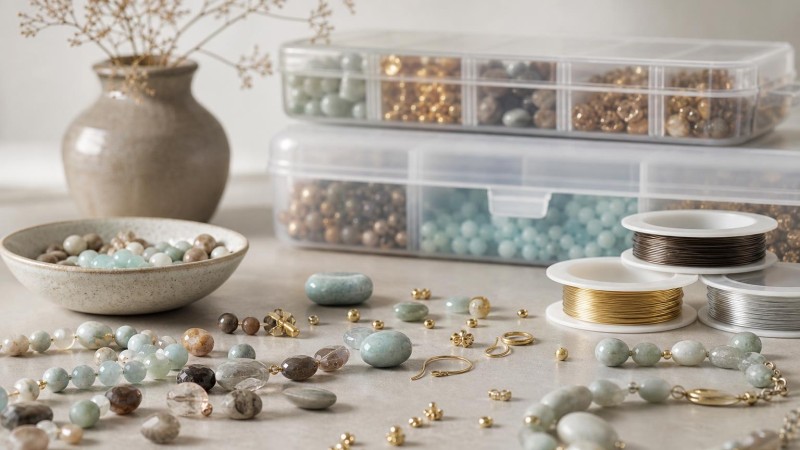
Why Proper Storage Matters for Jewellery-Making Supplies
If you have ever opened a bead box and found cloudy crystals, tarnished findings, or rusty tools, you already know how frustrating poor storage can be. Jewellery-making materials may look durable, but many supplies are sensitive to humidity, air, light, skin oils, and even the way different metals sit next to one another. Proper storage does more than keep your workspace tidy. It helps preserve colour, finish, strength, and shine so your materials stay ready for your next project.
For hobbyists and small-batch makers alike, preventing bead discolouration and rust starts with understanding what causes damage in the first place. Natural stone beads, plated components, steel tools, elastic cord, and wire all age differently. Some are vulnerable to oxidation, some absorb moisture, and some react to chemicals in the room. Good storage habits reduce these risks and can extend the usable life of your favourite supplies.
Whether your collection includes amethyst beads, seed beads, chain, clasps, or pliers, a few simple systems can make a noticeable difference. The goal is not perfection. It is creating a stable, clean environment where your supplies are protected from the most common causes of wear.
What Causes Bead Discolouration and Rust?
Humidity and Moisture
Moisture is one of the biggest enemies of jewellery supplies. High humidity encourages metal oxidation, which can lead to tarnish or rust. It can also affect porous materials, adhesives, silk thread, and packaging. Even if your supplies never come into direct contact with water, damp air alone can slowly change their appearance.
Basements, bathrooms, laundry rooms, and garages tend to be poor storage locations because temperature and moisture levels fluctuate. If your supplies are stored near a window or exterior wall, condensation and heat can also create trouble over time.
Air Exposure
Many metals react naturally with oxygen and sulphur compounds in the air. Sterling silver tarnishes, iron-containing tools can rust, and plated findings may lose their finish faster when left exposed. Open trays can be beautiful for display, but they are less ideal for long-term protection.
Sunlight and Heat
Strong light and heat can fade dyed beads, weaken elastic, dry out natural materials, and alter adhesives. Some stones are more light-sensitive than others. Certain purple stones, for example, have long been noted by collectors to fade after prolonged exposure to direct sun. Even if your bead stash looks lovely in a bright craft room, it is safer to keep vulnerable supplies in closed drawers or opaque containers.
Chemical Residue
Perfume, hairspray, cleaning sprays, and even the off-gassing from some plastics can affect bead finishes and metal components. Residue from polishing products or hand lotion can also transfer onto supplies if tools and materials are handled before storage without being wiped down.
Mixed Materials Stored Together
Not all supplies should share the same container. Sharp findings can scratch softer stones. Uncoated metal can rub against plated pieces. Porous beads can pick up dye or oils from neighbouring materials. A mixed “everything box” may feel convenient in the moment, but it often leads to avoidable damage.
The Best Environment for Storing Beads and Findings
The safest storage setup is cool, dry, dark, and stable. That does not mean you need specialised equipment for a home studio. It simply means choosing a spot with low humidity, moderate temperature, and protection from direct sunlight.
- Store supplies in an indoor room with consistent climate control.
- Avoid attics, garages, sheds, and bathrooms.
- Keep containers away from radiators, vents, and sunny windowsills.
- Use drawers, cabinets, or lidded boxes to reduce dust and air exposure.
- Add moisture-control packets where appropriate.
If you live in a humid climate, a small room dehumidifier can help protect not just your supplies but also your tools and packaging materials. In especially damp seasons, checking containers once a month is a smart habit.
How to Store Different Jewellery Supplies the Right Way
Natural Stone Beads
Natural stone beads vary widely in hardness and porosity. Some are tough and resilient, while others scratch easily or absorb oils. Store stone strands separately or in divided organisers so surfaces do not knock against one another. Soft pouches or small zip bags inside a bead box can help reduce friction.
Keep labels with the stone name, size, and any treatment notes. This matters because dyed or heat-treated stones may need extra protection from light. In folklore and historical traditions, stones were often associated with symbolic meanings, but from a practical standpoint, their physical care depends more on composition than legend.
For delicate organic gems and smooth surfaces like freshwater pearls, avoid tossing them into hard plastic compartments with metal findings. Pearls and similar materials can develop scratches or lose lustre if they rub against rough edges.
Metal Findings
Clasps, headpins, crimps, chain, and jump rings should be kept in sealed or tightly closed containers whenever possible. Anti-tarnish strips are especially useful for sterling silver, copper, and brass findings. Separate different finishes so plated gold-tone pieces do not rub against darker oxidised components.
Small divided boxes work well for organisation, but make sure the compartments close securely. If your organiser has gaps, consider placing tiny baggies inside each section for an added barrier against air and humidity.
Wire and Stringing Materials
Jewellery wire, beading wire, elastic, silk cord, nylon thread, and leather all benefit from clean, dry storage. Keep wire on spools and store it flat or upright so it does not kink. Seal tarnish-prone metal wire in a bag with minimal air inside. Elastic should be kept away from heat and sunlight because both can shorten its lifespan.
Thread and cord should be protected from dust and sharp tools. If you use wire wrappers or shaping jigs, store them separately from softer stringing materials so edges do not nick the fibres.
Tools
Pliers, cutters, bead reamers, and scissors need protection too. Even quality tools can develop rust if left in damp environments. Wipe metal surfaces after use, especially if your hands were sweaty or if the tools contacted polishing compounds. A tool roll, drawer insert, or case with silica gel packs can help keep them dry.
If a tool has a joint or spring, a tiny amount of appropriate lubricant may help maintain smooth motion. Just be sure excess oil does not transfer onto beads or finished jewellery.
Smart Container Choices for Long-Term Protection
Use Acid-Free, Non-Reactive Storage Materials
Some low-quality plastics become brittle or release odours over time. When possible, choose storage containers designed for craft, archival, or jewellery use. Acid-free labels and inserts are especially helpful if you plan to keep supplies stored for months or years.
Clear vs. Opaque Containers
Clear organisers are convenient because you can see your inventory at a glance. Opaque boxes offer better light protection. A practical compromise is to use clear inner containers stored inside a closed drawer or cabinet.
Dividers and Small Bags
Compartment boxes keep small items from mixing, while resealable mini bags provide another layer of defence against moisture and abrasion. This is especially useful for specialty items like gemstone cabochons or plated connectors that you do not use every day.
Silica Gel and Anti-Tarnish Aids
Silica gel packets help absorb excess moisture. Anti-tarnish strips help slow oxidation for certain metals. Neither solution lasts forever, so replace them periodically according to the product instructions. These simple additions can have an outsized effect in a bead drawer or findings cabinet.
Organisation Habits That Prevent Damage
Storage is not only about containers. It is also about routines. A few good habits can prevent many common problems before they start.
- Put supplies away promptly after each session.
- Return each item to its own labelled section.
- Do not store damp cloths, polishing pads, or recently cleaned tools with dry supplies.
- Remove broken beads, bent pins, and rusted pieces before they affect nearby materials.
- Rotate older stock forward so it gets used first.
A simple labelling system saves time and reduces unnecessary handling. Labels might include material, colour, size, finish, purchase date, and treatment notes. Less rummaging means less friction, fewer spills, and fewer chances for bead surfaces to get scratched.
Common Storage Mistakes to Avoid
Keeping Supplies in the Bathroom or Basement
These spaces are often too humid for long-term bead and tool storage. Even if containers are closed, repeated exposure to damp conditions increases the chance of tarnish and rust.
Overcrowding Compartments
Stuffing too many supplies into one space leads to scratches, chipped edges, tangled wire, and damaged packaging. Give materials enough room to sit without pressure.
Leaving Materials on the Worktable
An open workspace exposes supplies to dust, sunlight, spilled drinks, cooking fumes, and accidental knocks. It also makes it easier for metal parts to tarnish faster.
Ignoring Packaging Condition
Old paper envelopes, torn plastic bags, and cracked bead tubes can trap dust or allow moisture in. Rehousing supplies into cleaner, sturdier storage can prevent slow damage.
Storing Tarnished and Untarnished Metals Together
If one batch of findings is already heavily oxidised, it is best not to let it rub against bright polished pieces. Separate them and clean or sort as needed.
How to Handle Supplies Before Storing Them
Good storage starts before the lid closes. After a beading session, take a minute to reset your materials. Wipe tools with a soft dry cloth. Return loose beads to their proper containers. Coil wire neatly. Remove dust, thread snippets, and metal shavings from your tray.
If you handled metal findings extensively, especially in warm weather, a quick wipe can remove skin oils and residue. For beads, avoid overcleaning unless needed. Too much washing or polishing can be just as unhelpful as neglect, especially for delicate finishes and porous materials.
Finished pieces should also be stored carefully if they are waiting to be photographed, gifted, or listed. Keep necklaces and bracelets in separate pouches or bags so clasps and charms do not scratch adjacent surfaces.
Seasonal Maintenance for Your Bead Collection
Even the best storage system benefits from regular check-ins. A seasonal review helps you catch problems early and refresh your setup as your collection grows.
- Inspect findings for early signs of tarnish or rust.
- Replace saturated silica gel packets.
- Check elastic and cord for brittleness.
- Relabel any faded or missing container names.
- Move especially sensitive items away from summer heat or winter condensation zones.
This is also a good time to sort out mystery beads, half-used spools, and duplicate components. Organised supplies are easier to protect because you can actually see what you have and where it belongs.
Creating a Storage System That Fits Your Craft Style
The ideal storage setup depends on how you work. If you bead every day, you may want frequently used items in shallow drawer organisers and backup stock in sealed bins. If you make jewellery only occasionally, compact labelled containers stored in a cabinet may be enough.
Some makers organise by material: stone, glass, metal, thread, and tools. Others prefer organising by project type, colour family, or size. Whatever system you choose, consistency matters more than complexity. A simple method you will actually maintain is better than an elaborate one that falls apart after two busy weeks.
At PebbleBead, many makers build collections gradually, adding special strands, tools, and findings over time. That makes storage even more important. A well-kept stash is easier to shop from, easier to protect, and far more inspiring to use.
Final Thoughts
Preventing bead discolouration and rust is mostly about controlling the environment, separating materials thoughtfully, and building a few reliable habits. Store your supplies in a cool, dry place. Reduce exposure to air, moisture, sunlight, and chemical residue. Use containers that protect surfaces instead of crowding them. And revisit your setup regularly so small issues do not become expensive losses of time and materials.
A little care goes a long way in jewellery making. When your beads stay bright, your findings stay clean, and your tools stay rust-free, every project begins on a better note. Thoughtful storage protects both your supplies and your creative momentum.
Leave a Comment