

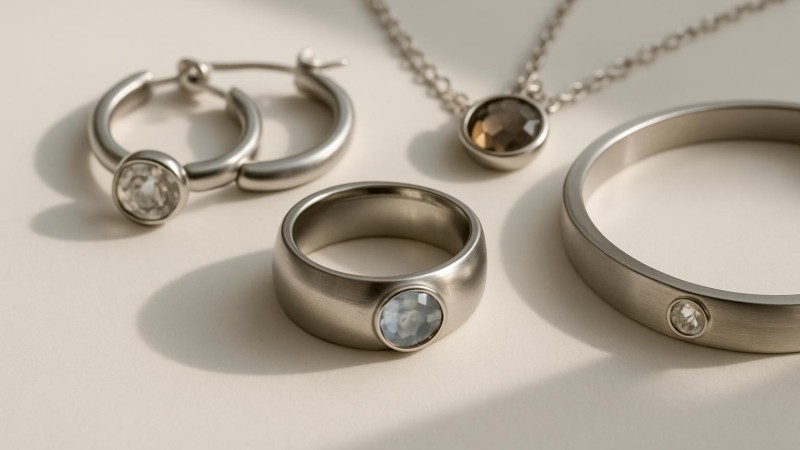
Understanding Stainless Steel Jewelry
Stainless steel has become a beloved material for jewellery makers and wearers alike. Known for its durability, shine, and resistance to tarnish, it’s often used for rings, necklaces, bracelets, and even components like clasps and jump rings. But one question often arises: can you wear stainless steel jewellery in the shower?
This guide explores the realities of wearing stainless steel in wet conditions — including showers, pools, and the sea — and how to properly care for your pieces to ensure they stay beautiful for years to come.
What Makes Stainless Steel So Durable?
Stainless steel is an alloy composed primarily of iron, chromium, and nickel. The chromium reacts with oxygen in the air to form a thin, invisible layer of chromium oxide on the surface, which prevents rust and corrosion. This self-healing layer is what gives stainless steel its remarkable resistance to tarnish and moisture damage.
Unlike silver or brass, stainless steel doesn’t easily react to water or sweat. That’s why it’s commonly used in both industrial and fashion applications — from kitchenware to durable wire wrappers for jewellery making.
Can You Shower with Stainless Steel Jewelry?
In short, yes — you can wear stainless steel jewellery in the shower. The material won’t rust, corrode, or lose its shine from regular contact with water. However, there are a few important factors to consider if you want your jewellery to maintain its best appearance.
1. Soap and Shampoo Residue
While water itself won’t harm stainless steel, residues from soaps, shampoos, and conditioners can build up over time. These residues may cause a dull film to form on your jewellery, reducing its natural luster. To prevent this, it’s best to rinse your jewellery thoroughly after exposure to soapy water and gently pat it dry.
2. Hard Water and Mineral Deposits
If you live in an area with hard water, minerals like calcium and magnesium can leave spots or deposits on the metal surface. These are not permanent, but they may require occasional cleaning with a mild jewellery cleaner or a solution of warm water and baking soda.
3. Mixed-Material Jewelry
Some stainless steel jewellery includes accents made from other materials — such as gold plating, enamel, or natural stones like amethyst beads. These components may react differently to moisture. For instance, plated finishes can wear down faster when exposed to water, and certain stones may absorb moisture or become cloudy. In these cases, it’s best to remove your jewellery before showering.
When You Should Remove Stainless Steel Jewelry
Even though stainless steel is water-resistant, there are times when it’s wise to take it off:
- Swimming pools: Chlorine can damage finishes and affect any non-steel components in your jewellery.
- Hot tubs: Prolonged exposure to high heat and chemicals can dull the surface.
- Saltwater: Seawater contains salts that can leave a residue or cause minor pitting over time.
- Heavy cleaning or chemical use: Household cleaners and solvents can react with metals, including stainless steel.
How to Care for Stainless Steel Jewelry
Keeping your stainless steel jewellery clean and shiny is simple with a few easy steps:
1. Regular Cleaning
Use warm water, a small amount of mild dish soap, and a soft cloth to gently clean the surface. Avoid abrasive materials or harsh chemicals, as they can scratch the finish. After cleaning, rinse thoroughly and dry with a soft towel.
2. Polishing for Extra Shine
If your jewellery starts to lose its brilliance, a jewellery polishing cloth can help restore its shine. Stainless steel doesn’t require frequent polishing, but an occasional buffing can keep it looking new.
3. Proper Storage
When not in use, store your stainless steel jewellery in a dry, soft pouch or jewellery box. Keeping pieces separated prevents scratches, especially if stored near softer materials like freshwater pearls or plated metals.
Comparing Stainless Steel with Other Metals
Understanding how stainless steel compares with other common jewellery metals can help you choose the right material for your lifestyle.
Stainless Steel vs. Sterling Silver
Sterling silver is known for its bright, classic look, but it tarnishes easily when exposed to air and moisture. Stainless steel, on the other hand, resists tarnish and requires less maintenance. If you want a low-maintenance option, stainless steel is the better everyday choice.
Stainless Steel vs. Gold
Gold is softer and more prone to scratches, especially in higher karats. Stainless steel offers superior durability and affordability, making it ideal for daily wear pieces like rings and chains. However, gold’s luster and prestige still make it a timeless favourite for special occasions.
Stainless Steel vs. Titanium
Titanium shares stainless steel’s resistance to corrosion and tarnish but is lighter in weight. However, titanium jewellery can be more expensive and difficult to resize. Stainless steel offers a balance of strength, appearance, and value.
Does Stainless Steel Tarnish Over Time?
Unlike silver or copper, stainless steel doesn’t tarnish. However, surface grime, lotion, or oils from your skin can create a dull film. Regular cleaning helps maintain its shine. If you notice any discolouration, it’s usually just residue buildup — not actual tarnish.
Can Stainless Steel Jewelry Cause Skin Reactions?
Most stainless steel jewellery is hypoallergenic, meaning it’s safe for sensitive skin. However, some grades of stainless steel contain nickel, which can cause irritation in rare cases. Look for jewellery labeled as “nickel-free” or made with surgical-grade stainless steel if you have sensitive skin.
Is Stainless Steel Jewelry Waterproof?
Technically, yes — stainless steel is waterproof. However, “waterproof” doesn’t mean “maintenance-free.” Even though water won’t corrode the metal, repeated exposure to soaps, lotions, and chemicals can affect its appearance. Regular cleaning and drying help maintain its quality.
Why Stainless Steel Jewelry Is Perfect for Everyday Wear
Because of its strength and resilience, stainless steel is perfect for everyday wear. It resists scratches, doesn’t fade, and complements almost any style. It’s also easy to combine with other materials — for example, pairing it with natural gemstones or amethyst beads for a modern, mixed-media look.
Myths About Stainless Steel Jewelry
- Myth 1: Stainless steel rusts easily. Fact: It’s highly resistant to rust because of its chromium oxide layer.
- Myth 2: It loses colour quickly. Fact: It maintains its silvery tone for years with minimal care.
- Myth 3: It’s only for men’s jewellery. Fact: Stainless steel is used in a wide variety of designs for all genders.
Combining Stainless Steel with Gemstones
Many jewellery artisans, including PebbleBead creators, love combining stainless steel with natural stones. The neutral tone of the metal highlights the unique colours and textures of gems. Stainless steel findings, like jump rings or clasps, offer strength and a contemporary finish that complements both delicate and bold designs.
In folklore, gemstones like amethyst were traditionally believed to promote calm and clarity, while stones such as rose quartz were associated with love and harmony. Pairing these with stainless steel creates a durable yet meaningful accessory that bridges modern style and ancient symbolism.
Tips for Maintaining Shine and Longevity
- Remove jewellery before applying lotions, perfumes, or hairspray.
- Clean regularly with mild soap and water.
- Store in a dry, separate compartment or pouch.
- Polish with a soft cloth to restore shine.
- Check clasps and jump rings periodically for tightness.
Final Thoughts
So, can you wear stainless steel jewellery in the shower? Absolutely — just remember that while the metal itself is resistant to water, maintaining its brilliance requires simple care and cleaning. Avoid prolonged exposure to harsh chemicals, and keep your pieces polished and dry when possible.
At PebbleBead, stainless steel components are often paired with natural gemstones and quality materials, allowing you to create stylish, long-lasting jewellery that fits both your aesthetic and your lifestyle.
With a little care, your stainless steel jewellery can remain as radiant as the day you bought it — even after countless showers and adventures.

Leave a Comment