

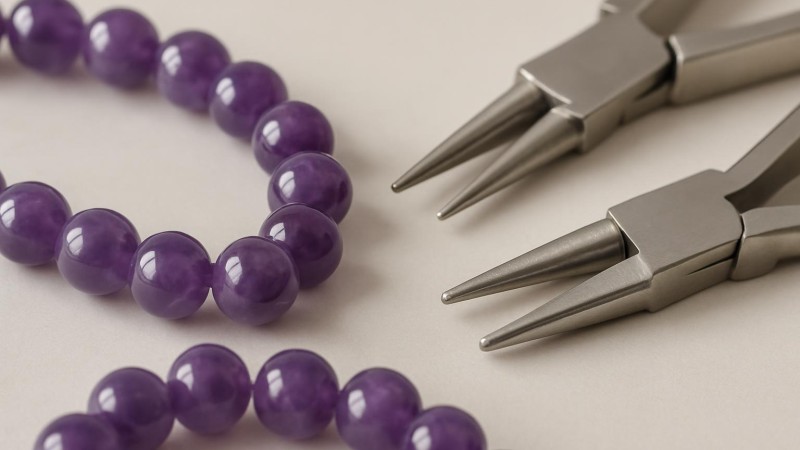
Introduction: The Timeless Allure of Amethyst
Among the many gemstones cherished by artisans and collectors alike, amethyst holds a special place. Its deep violet hues, ranging from soft lavender to rich royal purple, have fascinated cultures for millennia. Whether adorning crowns, pendants, or modern handmade jewellery, amethyst continues to captivate with its beauty and the mystical stories surrounding it.
In this article, we explore the traditional and folkloric beliefs tied to amethyst’s healing properties, its symbolism throughout history, and how contemporary jewellery designers can incorporate this gemstone into their creations. We’ll also discuss practical tips for working with amethyst, from selecting the right amethyst beads to combining it with complementary materials.
The Origins and History of Amethyst
Geological Formation and Varieties
Amethyst is a variety of quartz distinguished by its signature purple colour, which arises from trace amounts of iron and natural irradiation. Found in locations around the world—from Brazil and Uruguay to Zambia and Russia—each region yields stones with unique tones and clarity. Some amethyst deposits even feature bands of lighter and darker hues, creating visually striking patterns ideal for distinctive handmade designs.
Historical and Cultural Significance
Throughout history, amethyst has been treasured by many civilizations. In ancient Greece, it was associated with sobriety and clear thinking, while medieval European royalty regarded it as a symbol of wisdom and spiritual insight. The name “amethyst” itself originates from the Greek word amethystos, meaning “not intoxicated,” reflecting the belief that the stone could protect its wearer from overindulgence.
Amethyst also appears in religious and royal regalia, from the rings of bishops to the crowns of kings. Its regal colour and clarity made it a natural choice for adornment that symbolised power and virtue.
Traditional Beliefs About the Healing Properties of Amethyst
A Stone of Calm and Balance
In folklore and crystal traditions, amethyst has long been associated with tranquility and balance. It was traditionally believed to calm the mind, reduce stress, and promote peaceful sleep. Artisans who include amethyst in their designs often highlight these associations, suggesting that wearing the stone may serve as a gentle reminder to pause and centre oneself during daily life.
Symbolism of Protection and Clarity
Ancient cultures regarded amethyst as a protective talisman. Warriors and travellers sometimes carried it as a charm to guard against misfortune. In spiritual traditions, it was linked to clarity of thought and intuition. These symbolic meanings make amethyst jewellery a meaningful gift for those embarking on new ventures or seeking focus and inner strength.
Association with Spiritual Growth
Many historical texts and metaphysical traditions describe amethyst as a stone of spiritual awareness. It was believed to support meditation and enhance connection with higher consciousness. While such beliefs remain rooted in cultural and spiritual practices rather than scientific evidence, they continue to inspire artists and jewellery makers who value the stone’s symbolic depth.
Amethyst in Handmade Jewellery Design
Why Artisans Love Working with Amethyst
Amethyst’s versatility makes it a favourite among jewellery creators. Its wide range of shades complements both warm and cool metals, and it pairs beautifully with other natural materials. Whether you prefer minimalist designs or intricate wire-wrapped creations, amethyst adapts effortlessly.
At PebbleBead, artisans and hobbyists can find an array of amethyst beads in different cuts, shapes, and finishes. From smooth rounds and faceted ovals to raw crystal points, each form offers unique design possibilities. The stone’s durability—ranking 7 on the Mohs hardness scale—also makes it suitable for everyday wear.
Combining Amethyst with Other Gemstones
Amethyst pairs harmoniously with both contrasting and complementary stones. Try combining it with freshwater pearls for a refined and romantic look, or with citrine to create a striking ametrine-inspired palette. Designers seeking earthy or bohemian aesthetics often mix amethyst with turquoise, moonstone, or hematite to achieve balance and texture.
Design Tips for Amethyst Jewellery
- Play with gradients: Use amethyst beads in varying shades of purple to create ombré effects.
- Highlight the stone’s depth: Set darker stones in bright metals like silver to enhance their brilliance.
- Mix materials: Combine amethyst with natural fibres or leather for a modern, organic style.
- Use quality findings: Secure your pieces with sturdy jump rings and clasps to ensure longevity.
Crafting Techniques for Amethyst Jewellery
Stringing and Beading
Stringing amethyst beads can be a simple yet elegant way to showcase the gemstone’s natural beauty. Use silk or nylon thread for a smooth drape, and consider spacing the beads with metal accents or seed beads for a professional finish.
Wire Wrapping and Metalwork
For those who enjoy more intricate techniques, amethyst lends itself well to wire wrapping. Using fine-gauge wire, artisans can create delicate cages or spirals around faceted stones. The technique allows for creative freedom and is perfect for showcasing unique crystal formations. Having a selection of quality wire wrappers can make all the difference when crafting detailed designs.
Setting Amethyst in Handmade Metal Jewellery
Silversmiths and metalworkers often favour amethyst for its regal tone. Bezel settings, prongs, or even hammered frames can highlight the stone’s facets and ensure durability. When designing rings or pendants, consider how light interacts with the stone—faceted amethyst reflects light beautifully, while cabochons provide a soft, mystical glow.
Folkloric Uses and Symbolism in Modern Context
While modern science does not support the idea of gemstones having physical healing powers, the symbolic meanings attributed to amethyst endure as part of cultural and artistic heritage. Many people wear amethyst jewellery as a personal symbol of calm, mindfulness, or creativity. For makers, these associations can serve as inspiration for storytelling through design.
In contemporary wellness circles, amethyst is often featured in meditation spaces, crystal grids, and yoga jewellery. These uses reflect a continued fascination with the gemstone’s perceived ability to foster clarity and serenity. Incorporating such symbolism into handmade jewellery can add emotional value and a sense of connection to ancient traditions.
Caring for Amethyst Jewellery
To preserve the beauty of amethyst jewellery, simple maintenance steps are essential. Although relatively hard, amethyst can fade with prolonged exposure to direct sunlight or harsh chemicals. Clean it gently with mild soap and water, avoiding ultrasonic cleaners that may damage the stone’s structure.
When not in use, store amethyst pieces separately to prevent scratches. Soft pouches or lined boxes work well. Proper care ensures that the gemstone retains its luster and vibrancy for years to come.
Incorporating Amethyst into Your Jewellery Collection
Whether you’re a professional jeweller or a DIY enthusiast, amethyst offers endless creative possibilities. A simple strand of amethyst beads can become a timeless necklace, while a cluster of small stones can transform into a striking pair of earrings. The gemstone’s rich history and traditional symbolism make it a meaningful addition to any jewellery collection.
At PebbleBead, creators can explore a diverse selection of gemstones, findings, and tools to bring their artistic visions to life. Incorporating amethyst into your designs not only adds visual appeal but also connects your work to centuries of craftsmanship and cultural tradition.
Conclusion: The Enduring Magic of Amethyst
Amethyst’s allure lies not only in its stunning colour but also in the layers of meaning it carries. From ancient legends to modern design studios, this gemstone continues to inspire creativity and contemplation. While its so-called healing properties belong to the realm of tradition and folklore, the comfort and joy that come from wearing or crafting amethyst jewellery are very real.
For artisans who appreciate both beauty and story, amethyst remains a gemstone of endless inspiration—a perfect harmony of nature’s artistry and human imagination.

Leave a Comment